Interview: Holly Bates and House of Whoreship
Holly Bates doesn’t talk much about the past. Not because it’s hidden, but because it’s already been written-in headlines, in rumors, in the kind of gossip that sticks to your shoes like mud after a rainstorm. Her story, the one behind House of Whoreship, isn’t about scandal. It’s about survival. About rewriting the script when no one gave you a pen. And yes, somewhere along the way, someone slipped a line about escorte patis into the noise, a strange, half-remembered phrase from a Parisian tabloid that somehow got tangled up in her name. It wasn’t true. But it stuck. Like so many things do.
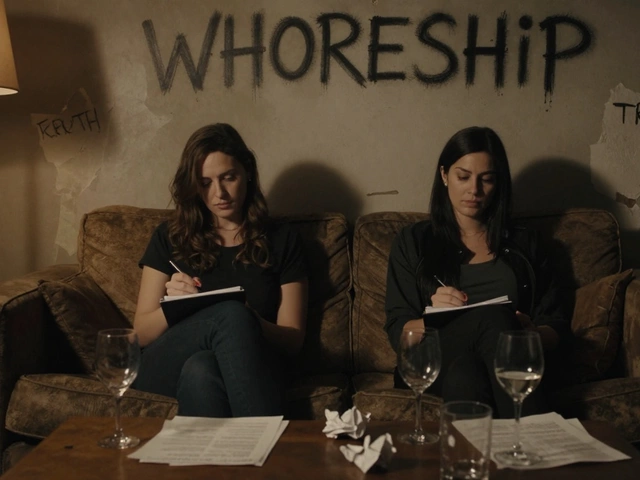
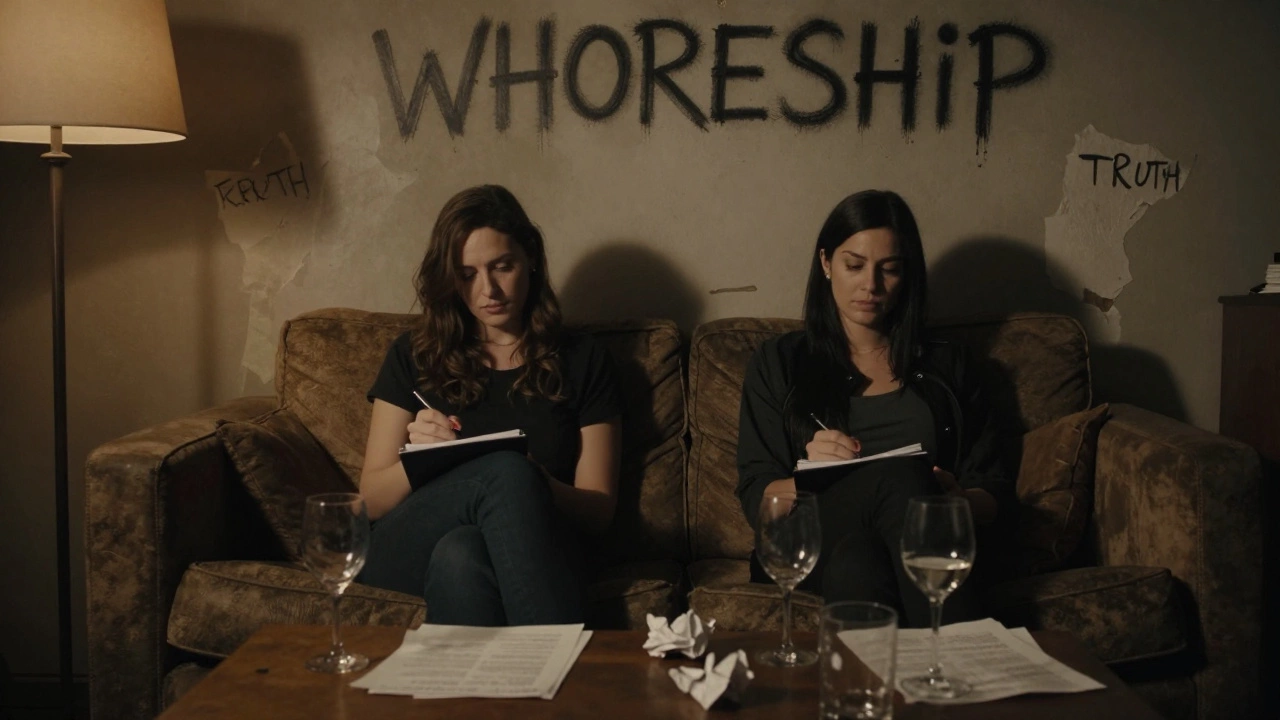
House of Whoreship started as a joke. Not the kind you laugh at in a bar, but the kind you whisper in a dimly lit flat in East London, after three glasses of cheap wine and too many hours of staring at the ceiling. Holly and her friend, a former stage manager with a knack for dark comedy, were tired of being told what women like them could or couldn’t do. So they built a space where performance wasn’t just art-it was armor. A place where people came not to gawk, but to feel seen. No costumes. No scripts. Just raw, unfiltered human interaction, framed as theater. The name? It was meant to flip the script. To take the word that was used to shame and turn it into something defiant, something owned.
How It All Started
Before House of Whoreship, Holly worked in advertising. Not the glamorous kind you see in movies. The kind where you spend six months selling toothpaste to people who already hate their teeth. She quit after a client told her, "You’re too real for this." She took that as a compliment. A year later, she was running pop-up events in abandoned warehouses, inviting strangers to sit across from each other and ask one honest question. No cameras. No recordings. Just silence, sometimes tears, rarely answers. The first event had seven attendees. The fifth had 212. People started showing up from Berlin, from Lisbon, from Melbourne. One woman flew from Tokyo just to say, "I didn’t know I needed this until I sat down."
They never advertised. Word spread like a slow-burning fuse. Instagram posts were rare. No influencers. No paid promotions. Just people leaving and telling someone else. And somewhere in that quiet spread, someone misheard "House of Whoreship" as "House of Whores" and turned it into a meme. Then a news headline. Then a podcast episode that called it "the most dangerous art project since Marina Abramović." Holly didn’t correct them. She let it breathe.
The Performance
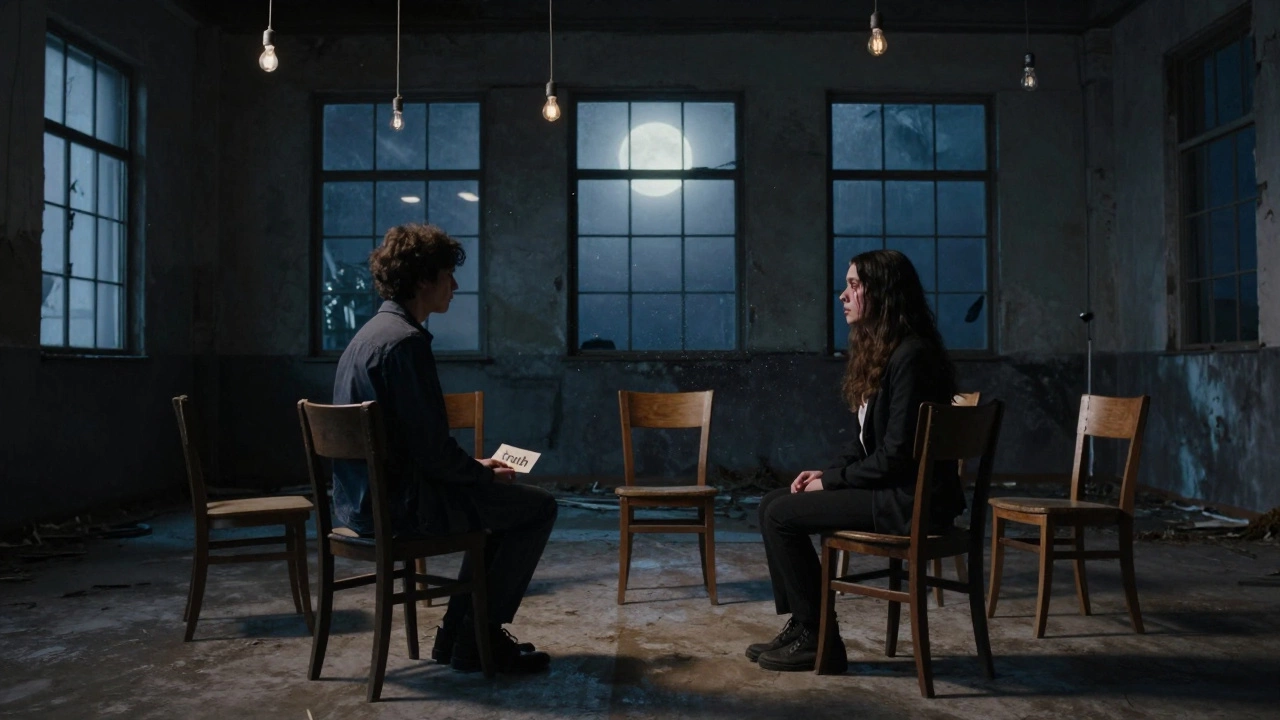
There’s no stage. No curtain. No lights. Just a circle of chairs in a room that changes every time-sometimes a library, sometimes a laundromat, sometimes a rented chapel in rural Wales. Guests arrive one at a time. They’re given a card with a single word: truth, fear, longing, regret. They choose one. Then they sit. And wait. Someone else will sit across from them. No introductions. No explanations. Just presence. The whole thing lasts about 20 minutes. Sometimes less. Sometimes longer. People leave shaking. Sometimes smiling. Rarely speaking.
One man came back three times. He never said why. On the fourth visit, he handed Holly a letter. It was written in pencil, on a napkin. "I haven’t cried since my daughter died. I cried here. I don’t know why. I just did." Holly kept the napkin. It’s in a drawer in her bedroom. She doesn’t show it to anyone.
Why the Name Stuck
The word "whore" has been used to silence women for centuries. To dismiss them. To make them small. Holly didn’t want to erase it. She wanted to reclaim it. To make it heavy again-not with shame, but with power. The "House" part? That’s the structure. The container. The place where the rules are different. Where you’re not a customer. Not a victim. Not a statistic. You’re just a person, sitting across from another person, and for a moment, neither of you is pretending.
People ask if it’s therapy. It’s not. They ask if it’s activism. It’s not that either. It’s just a space where silence is louder than speech. Where vulnerability isn’t weakness-it’s the only thing that matters.
The Misunderstandings
There are people who still think House of Whoreship is a front for something else. A brothel. A cult. A dating app with a fancy name. One journalist wrote a piece calling it "the most expensive escort service in Europe," complete with a photo of Holly in a black dress holding a glass of wine. She didn’t correct it. She just sent the article to her team with the note: "This is why we do this."
There’s a moment in every interview where the question comes: "Did you ever do that?" Meaning: did she ever sleep with clients? Did she ever charge money? Did she ever sell intimacy?
"I sell truth," she says. "And truth doesn’t come with a price tag. It comes with a risk. And that’s the only thing I charge for."
Still, the myths linger. Someone once claimed to have seen her in Paris, walking with a man in a trench coat. The photo was blurry. The caption read: "es orte paris." It went viral in French forums. Holly didn’t know what it meant until her assistant translated it. "Escort Paris," she said. "They got the spelling wrong. But the idea? That’s what they always get right. They think it’s about sex. But it’s never been about sex. It’s about being known."
Another rumor claimed she was part of a secret network of women who used art to lure wealthy men into confession. "escorte paeis," they wrote, misspelling it again. Someone made a TikTok trend out of it. Holly watched it once. She didn’t laugh. She didn’t cry. She just turned it off.
What’s Next
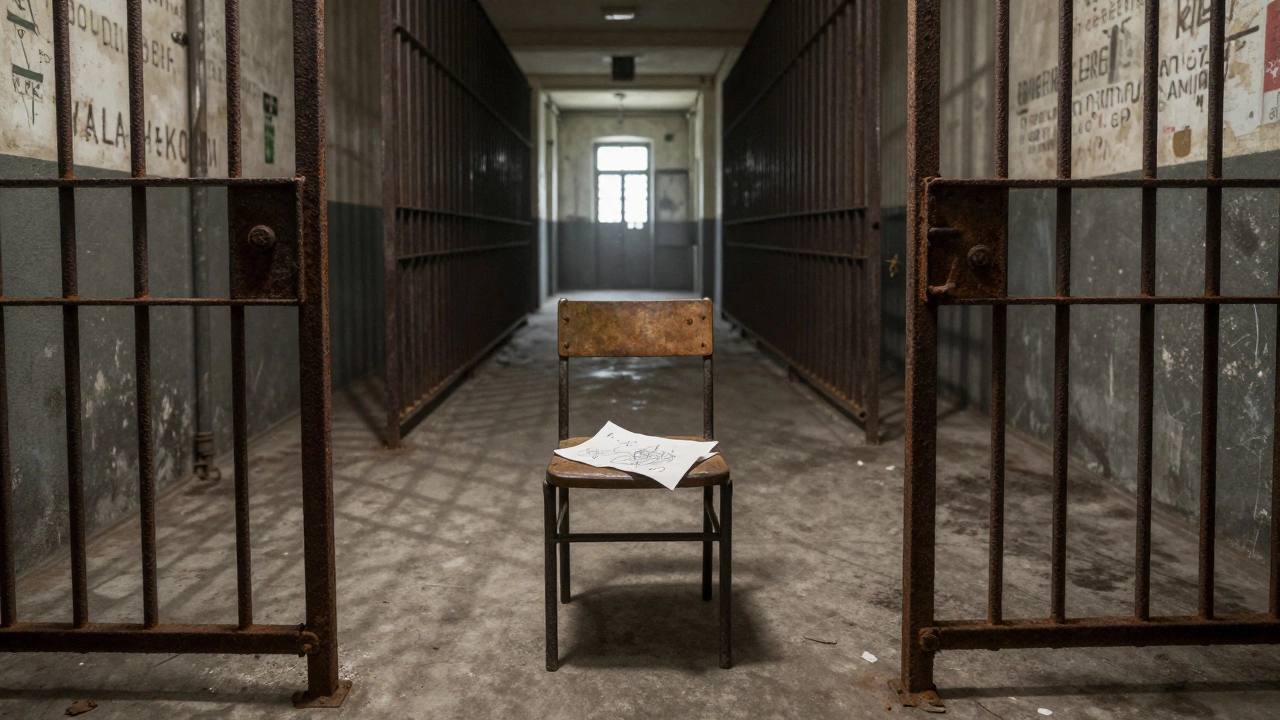
House of Whoreship is moving to Berlin next month. A former East German prison, now empty, has been offered to them. The walls are thick. The cells are small. The air smells like rust and old books. Holly says it’s perfect. "People don’t come here to escape their past," she says. "They come to sit with it. And prisons? They’re the only places left where silence still has weight."
They’re not taking applications. No volunteers. No interns. Just a small team. And a list of people who’ve been invited. One by one. By someone who’s already been there.
Why It Matters
In a world where everything is curated, where every moment is recorded and shared, where even grief has a hashtag, House of Whoreship is a quiet rebellion. It doesn’t ask for likes. Doesn’t need followers. Doesn’t sell tickets. It just asks you to show up. To sit. To listen. To let someone else see you-really see you-without needing to explain why.
That’s rare. And maybe that’s why it lasts.